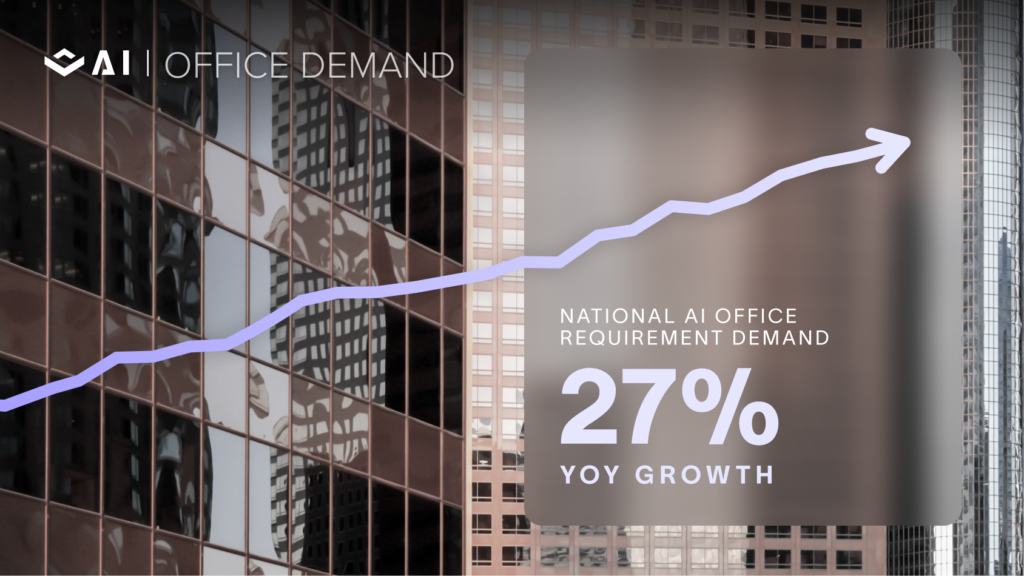
Realcomm 2024 brought the heat—and we’re not just talking about the 90-degree Florida weather. This year’s conference united industry leaders, innovators, and tech enthusiasts to dive into the transformative power of technology in real estate with one obvious focus: artificial intelligence (AI). AI is currently dominating conversations across global politics and economics, and Realcomm was no different. Industry pioneers showcased how technology is revolutionizing the dynamic real estate landscape, packing sessions with innovative and insightful ideas.
AI: The Undeniable Disruptor for PropTech
AI was the star of the show. Discussions centered on how businesses can leverage AI to boost operational efficiency, enhance decision-making, and deliver personalized tenant experiences.
From predictive analytics to marketing automation, the consensus was clear: AI is essential for future-proofing property businesses. Opinions varied, with some professionals excited about the possibilities and others urging caution and governance over this powerful technology. However, one thing is certain: opportunities abound in the AI race, and early adopters are setting themselves up for success.
An Evolving Workplace and Workforce
The pandemic redefined where and how we work, driving a shift toward remote and hybrid models. Speakers at Realcomm debated whether traditional asset classes should be redefined, given the rise of dynamic multi-use spaces—ranging from co-working hubs to office-multifamily conversions.
In this evolving landscape, flexibility and adaptability have become critical, challenging the industry’s historical rigidity and redefining the roles of employees in PropTech.
Cost Consolidation and High Capital Costs
With rising capital costs, cost consolidation has become a key strategy for landlords and leasing professionals. Sessions explored various approaches to optimizing expenses:
- Leveraging Technology: Streamlining operations to reduce overhead.
- Strategic Partnerships: Sharing resources and expertise to maximize value.
- Financing Innovation: Viewing the high cost of capital as both a challenge and an opportunity to rethink investment strategies.
Changing Tenant Demands
Post-COVID tenant demands have shifted significantly toward health, wellness, and flexible living/working arrangements. Property managers are adapting to these needs by:
- Incorporating smart building technologies.
- Enhancing indoor air quality.
- Offering flexible lease terms to boost retention and satisfaction.
Conclusion: Adapting to a Changing World
Realcomm 2024 represented this pivotal moment in society: the intersection of AI and technology set against a backdrop of economic hardship and political uncertainty. This pursuit of innovation in the face of challenge is a testament to the real estate industry’s ability to adapt.
To learn more about how VTS is harnessing artificial intelligence, click here.
FAQs
1. What was the most significant takeaway regarding AI at Realcomm 2024?
The consensus was that AI is no longer optional; it is essential for "future-proofing." Specifically, businesses are looking at AI to drive predictive analytics and automate marketing to increase operational efficiency and tenant personalization.
2. How are landlords responding to high capital costs?
Landlords are turning to cost consolidation and PropTech integrations. By using technology to automate operations and forming strategic partnerships to share resources, they are able to optimize their portfolios despite the current economic pressure.
3. How have tenant expectations changed since the pandemic?
Tenants now view health, wellness, and flexibility as non-negotiable. This has forced property managers to move toward smart building tech and more agile leasing structures to maintain high satisfaction and retention rates.